
Discover Relaxation Through Expert Massages
In today's fast-paced world, finding moments of peace and relaxation is essential for maintaining both physical and mental well-being. One of the most effective ways to achieve this is through expert massages. These therapeutic treatments not only relieve muscle tension but also promote a deep sense of calm and rejuvenation. Whether you are new to massages or looking to deepen your experience, understanding various relaxation massage techniques can help you make the most of your sessions.
Understanding Relaxation Massage Techniques
Relaxation massage techniques are designed to soothe the body and mind by reducing stress and promoting circulation. These techniques vary widely, but they all share the goal of creating a tranquil experience that leaves you feeling refreshed.
Some popular relaxation massage techniques include:
Swedish Massage: This classic technique uses long, flowing strokes, kneading, and circular movements on the topmost layers of muscles. It is ideal for beginners and those seeking gentle relaxation.
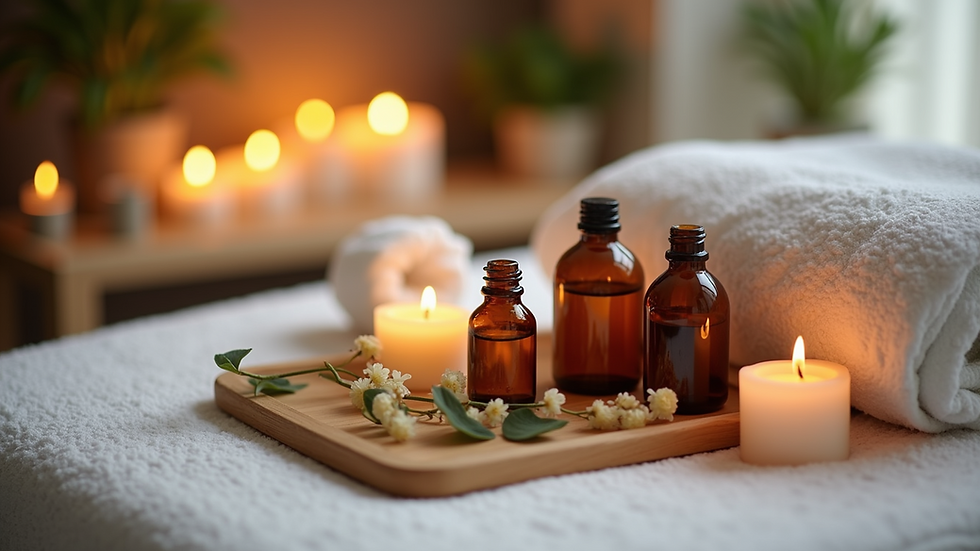
Aromatherapy Massage: Combining essential oils with massage, this technique enhances relaxation through the power of scent, helping to calm the nervous system.
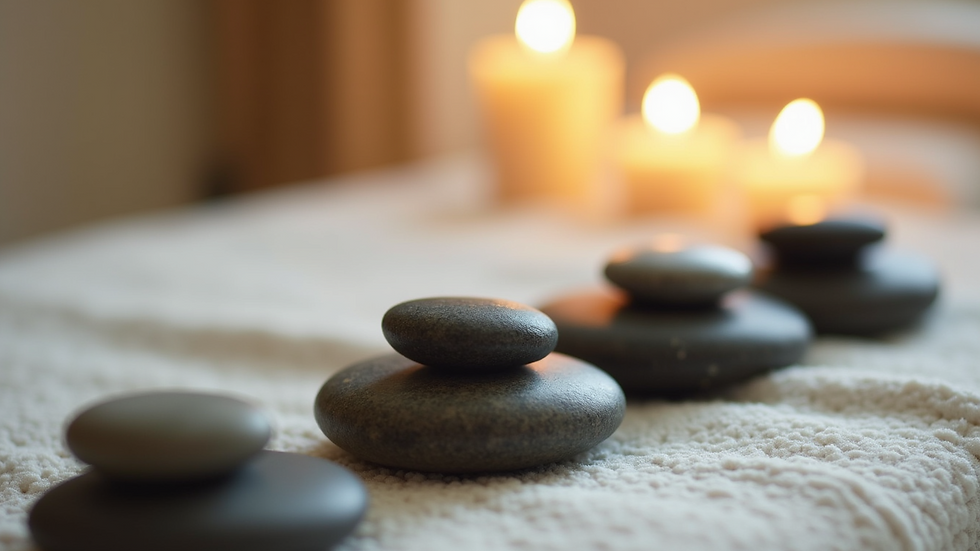
Hot Stone Massage: Heated stones are placed on key points of the body to warm muscles and improve blood flow, allowing for deeper relaxation.
Shiatsu: A Japanese technique that applies pressure to specific points on the body to balance energy flow and relieve tension.
Each technique offers unique benefits, and choosing the right one depends on your personal preferences and needs. For example, if you experience chronic muscle tightness, a deep tissue massage might be more effective, while Swedish massage is perfect for general relaxation.
Benefits of Regular Massage Therapy
Regular massage therapy can have profound effects on your overall health. Here are some key benefits:
Stress Reduction: Massage lowers cortisol levels, the hormone responsible for stress, helping you feel calmer and more centered.
Improved Circulation: Techniques like kneading and stroking stimulate blood flow, which aids in healing and detoxification.
Pain Relief: Targeted massage can alleviate chronic pain conditions such as arthritis, fibromyalgia, and lower back pain.
Enhanced Flexibility: Massage helps loosen tight muscles and improve joint mobility.
Better Sleep: Many people report improved sleep quality after massage sessions due to relaxation and reduced muscle tension.
Incorporating massage into your wellness routine can lead to long-term improvements in both physical and emotional health.
Quel est le tarif d'un massage ?
Understanding the cost of massage therapy is important when planning your wellness budget. Prices can vary depending on the type of massage, duration, and location. Here’s a general overview:
Swedish Massage: Typically ranges from $60 to $120 per hour.
Deep Tissue Massage: Usually costs between $80 and $150 per hour.
Specialized Treatments (like hot stone or aromatherapy): May be priced slightly higher due to added materials and expertise.
Many spas and clinics offer package deals or memberships that reduce the cost per session. It’s also worth checking if your health insurance covers massage therapy, especially if it is prescribed for medical reasons.
For those in Luxembourg, exploring options like massage luxembourg can provide access to expert therapists who offer competitive pricing and tailored treatments.
How to Prepare for Your Massage Session
To maximize the benefits of your massage, preparation is key. Here are some practical tips:
Hydrate Well: Drink plenty of water before and after your session to help flush out toxins released during massage.
Avoid Heavy Meals: Eat lightly before your appointment to prevent discomfort while lying on the table.
Communicate Your Needs: Inform your therapist about any areas of pain, sensitivity, or medical conditions.
Arrive Early: Give yourself time to relax and fill out any necessary forms without rushing.
Dress Comfortably: Wear loose clothing that is easy to change out of and back into.
By following these steps, you ensure a smooth and enjoyable experience that leaves you feeling your best.
Tips for Extending Relaxation After Your Massage
The benefits of a massage can last long after the session ends if you take steps to maintain relaxation:
Practice Deep Breathing: Slow, deep breaths help keep your nervous system calm.
Take a Warm Bath: A soak with Epsom salts can soothe muscles further.
Stretch Gently: Light stretching helps maintain flexibility and prevents stiffness.
Limit Physical Activity: Avoid strenuous exercise immediately after your massage.
Maintain Hydration: Continue drinking water to support detoxification.
Incorporating these habits into your routine can extend the positive effects of your massage and improve your overall well-being.

Exploring expert relaxation massage techniques offers a pathway to better health and tranquility. Whether you choose a gentle Swedish massage or a more intense deep tissue session, the key is to find a skilled therapist who understands your needs. Remember, investing in your relaxation is investing in your quality of life. For those interested in professional services, consider checking out massage luxembourg for expert care tailored to your wellness goals.


Comments