
The Unique Art of Thai Massage: Exploring Unique Thai Massage Techniques
Thai massage is a centuries-old healing tradition that combines physical therapy, acupressure, and yoga-like stretching. It is a unique form of bodywork that originated in Thailand and has gained worldwide recognition for its holistic benefits. Unlike many Western massage styles, Thai massage is performed fully clothed on a mat on the floor, and it involves rhythmic pressing, stretching, and deep massage techniques that stimulate energy lines throughout the body.
This ancient art is not only about relaxation but also about restoring balance and promoting overall wellness. In this article, we will explore the unique Thai massage techniques that set it apart from other massage therapies, delve into its history, and provide practical insights for those interested in experiencing or learning this healing practice.
Understanding Unique Thai Massage Techniques
Thai massage is often described as a blend of massage, acupressure, and assisted yoga postures. The unique Thai massage techniques involve a combination of:
Palming and Thumbing: Practitioners use their palms, thumbs, elbows, and sometimes feet to apply pressure along the body's energy lines, known as "Sen" lines.
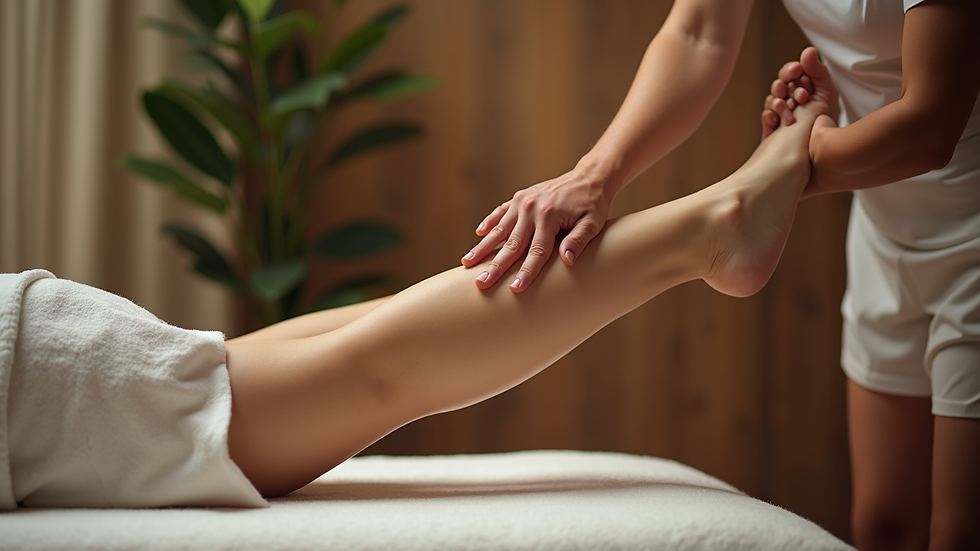
Stretching Movements: The therapist guides the recipient through a series of assisted stretches that resemble yoga poses, helping to increase flexibility and relieve muscle tension.
Rhythmic Compression: Gentle rocking and rhythmic compressions help to relax muscles and improve circulation.
Joint Mobilization: Specific movements target joints to improve range of motion and reduce stiffness.
These techniques work synergistically to release blocked energy, improve blood flow, and promote deep relaxation. The therapist’s hands and body weight are used skillfully to apply pressure without causing discomfort, making the experience both therapeutic and invigorating.

The History and Philosophy Behind Thai Massage
Thai massage has roots that trace back over 2,500 years, influenced by traditional Indian Ayurvedic medicine, Chinese medicine, and ancient Thai healing practices. It was originally developed by Jivaka Kumar Bhaccha, a physician to the Buddha, and has been passed down through generations of Thai monks and healers.
The philosophy behind Thai massage is deeply connected to the concept of energy flow within the body. According to traditional Thai medicine, the body contains 10 main energy lines or "Sen" through which life energy flows. Blockages or imbalances in these lines can lead to pain, illness, or emotional distress.
Thai massage aims to clear these blockages by stimulating the Sen lines, promoting harmony between the body, mind, and spirit. This holistic approach is why Thai massage is often described as a moving meditation, benefiting not only physical health but also mental clarity and emotional balance.
Practical Benefits of Thai Massage
Thai massage offers a wide range of benefits that extend beyond simple relaxation. Some of the most notable advantages include:
Improved Flexibility: The assisted stretching techniques help lengthen muscles and increase joint mobility.
Pain Relief: Targeted pressure and joint mobilization can alleviate chronic pain, especially in the back, shoulders, and hips.
Enhanced Circulation: Rhythmic compressions stimulate blood flow, which supports healing and detoxification.
Stress Reduction: The meditative nature of the massage calms the nervous system and reduces anxiety.
Boosted Energy Levels: By unblocking energy pathways, Thai massage can leave you feeling revitalized and balanced.
For those with sedentary lifestyles or physical strain from daily activities, Thai massage can be a powerful tool to maintain physical health and mental well-being.
How to Prepare for a Thai Massage Session
To get the most out of a Thai massage, preparation is key. Here are some practical tips:
Wear Comfortable Clothing: Since Thai massage is performed fully clothed, loose, breathable garments like yoga pants and t-shirts are ideal.
Eat Lightly: Avoid heavy meals before your session to prevent discomfort during stretches and pressure.
Communicate Your Needs: Inform your therapist about any injuries, pain points, or health conditions.
Arrive Early: Give yourself time to relax and mentally prepare for the session.
Stay Hydrated: Drinking water before and after helps flush out toxins released during the massage.
By following these simple steps, you can enhance your experience and maximize the therapeutic effects of the massage.
Incorporating Thai Massage into Your Wellness Routine
Integrating Thai massage into your regular wellness routine can have lasting benefits. Here are some actionable recommendations:
Schedule Regular Sessions: Aim for a massage every 4-6 weeks to maintain flexibility and reduce stress.
Combine with Yoga or Meditation: The stretching and energy work in Thai massage complement yoga and mindfulness practices.
Learn Basic Techniques: Consider taking beginner workshops to practice simple stretches and self-massage at home.
Use Thai Massage for Recovery: Athletes and active individuals can use it to speed up muscle recovery and prevent injuries.
Explore Different Styles: Thai massage has regional variations, such as Northern and Southern styles, each with unique techniques worth exploring.
By making Thai massage a part of your lifestyle, you can enjoy improved physical health and emotional balance.
Thai massage is a profound healing art that offers a unique blend of physical therapy and spiritual wellness. Its distinctive techniques and holistic philosophy make it a valuable practice for anyone seeking natural ways to enhance their health and vitality. Whether you are new to massage or looking to deepen your understanding, exploring the unique art of Thai massage can open doors to a more balanced and energized life.


Comments