
Exploring Reflexology Health Benefits: A Path to Wellness
Reflexology is an ancient healing practice that involves applying pressure to specific points on the feet, hands, or ears. These points correspond to different organs and systems in the body. By stimulating these reflex points, reflexology aims to promote health and balance throughout the body. This holistic approach has gained popularity as a complementary therapy for stress relief, pain management, and overall wellness.
Understanding Reflexology Health Benefits
Reflexology offers a variety of health benefits that can improve physical, mental, and emotional well-being. It is based on the principle that the body is interconnected, and stimulating certain reflex points can influence the function of related organs and systems.
Some of the key reflexology health benefits include:
Stress Reduction: Reflexology helps to calm the nervous system, reducing stress and anxiety levels. This can lead to improved mood and better sleep quality.
Pain Relief: Many people find relief from chronic pain conditions such as headaches, back pain, and arthritis through reflexology sessions.
Improved Circulation: By stimulating reflex points, reflexology can enhance blood flow, which supports the delivery of oxygen and nutrients to cells.
Detoxification: Reflexology may aid the body’s natural detoxification processes by promoting lymphatic drainage and improving kidney function.
Boosted Immune System: Regular reflexology treatments can strengthen the immune system, helping the body to fight off illnesses more effectively.
These benefits make reflexology a valuable addition to conventional healthcare, especially for those seeking non-invasive and drug-free therapies.

How Reflexology Works: The Science Behind the Practice
Reflexology is grounded in the idea that specific points on the feet, hands, and ears correspond to different parts of the body. These reflex points are mapped out in detailed charts used by practitioners. When pressure is applied to these points, it is believed to send signals through the nervous system to the corresponding organs or glands.
The exact mechanisms are still being studied, but several theories explain how reflexology may work:
Nervous System Stimulation: Pressure on reflex points may stimulate nerve endings, triggering the release of endorphins and other neurotransmitters that reduce pain and promote relaxation.
Improved Blood Flow: Reflexology may help dilate blood vessels, increasing circulation and oxygen delivery to tissues.
Energy Flow Balance: In traditional Chinese medicine, reflexology is thought to balance the flow of Qi (energy) through the body, restoring harmony and health.
Stress Response Modulation: Reflexology can activate the parasympathetic nervous system, which helps the body relax and recover from stress.
While more scientific research is needed to fully understand reflexology’s effects, many people report positive outcomes after treatments.
What happens to your body after reflexology?
After a reflexology session, many individuals experience a deep sense of relaxation and well-being. The body’s response to reflexology can vary, but common effects include:
Reduced Muscle Tension: Reflexology helps release tight muscles, leading to less stiffness and improved mobility.
Enhanced Energy Levels: Some people feel more energized and alert following treatment, as the body’s systems are stimulated.
Improved Digestion: Reflexology can support digestive health by influencing reflex points related to the stomach and intestines.
Emotional Balance: The calming effects of reflexology may help reduce feelings of anxiety and depression.
Temporary Detox Symptoms: Occasionally, people may experience mild detox symptoms such as increased urination or slight fatigue as the body eliminates toxins.
It is recommended to drink plenty of water after a session to support the detoxification process. Multiple sessions may be needed to achieve lasting benefits, especially for chronic conditions.
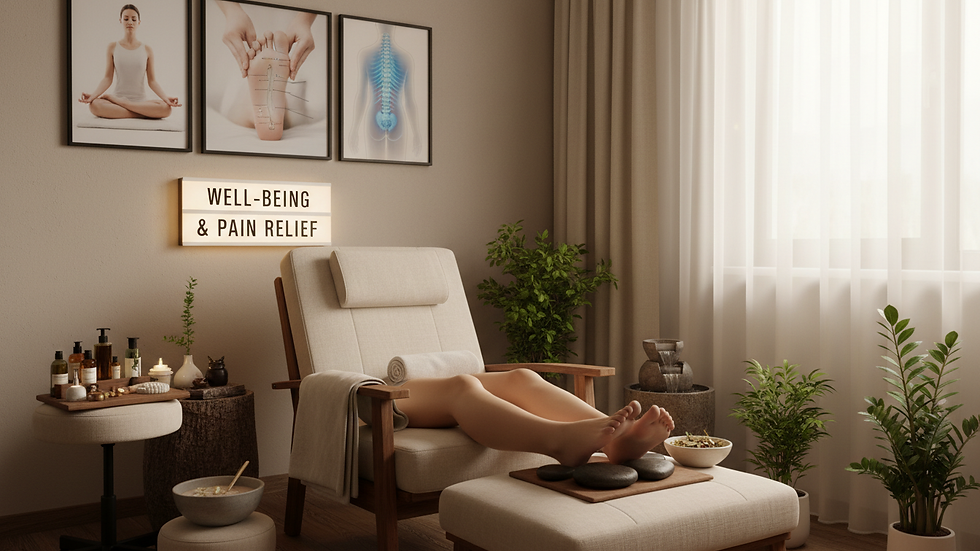
Practical Tips for Maximizing Reflexology Benefits
To get the most out of reflexology treatments, consider the following practical tips:
Choose a Qualified Practitioner: Ensure your reflexologist is certified and experienced to provide safe and effective care.
Communicate Your Needs: Share any health concerns or conditions with your practitioner before the session.
Stay Hydrated: Drinking water before and after treatment helps flush out toxins and supports circulation.
Schedule Regular Sessions: Consistency can enhance the cumulative effects of reflexology.
Combine with Other Therapies: Reflexology works well alongside massage, acupuncture, or meditation for holistic wellness.
Practice Self-Care at Home: Learn simple foot massage techniques to stimulate reflex points between professional sessions.
By following these recommendations, you can enhance the positive impact of reflexology on your health.
Integrating Reflexology into Your Wellness Routine
Incorporating reflexology into your regular wellness routine can be a gentle yet powerful way to support your body’s natural healing processes. Whether you seek relief from specific ailments or want to maintain overall health, reflexology offers a non-invasive option with minimal side effects.
Many people find that reflexology complements their lifestyle by:
Reducing the need for pain medications
Enhancing relaxation and sleep quality
Supporting mental clarity and emotional stability
Promoting faster recovery from illness or injury
If you are curious about reflexology, consider booking an initial session to experience its effects firsthand. Remember, the reflexology massage benefits extend beyond physical relief, touching on emotional and energetic well-being as well.
By embracing reflexology as part of your health regimen, you open the door to a balanced and harmonious life.
This exploration of reflexology health benefits highlights how this ancient practice continues to offer valuable support for modern wellness. Whether used alone or alongside other therapies, reflexology can be a key component in achieving a healthier, more relaxed, and energized you.


Comments